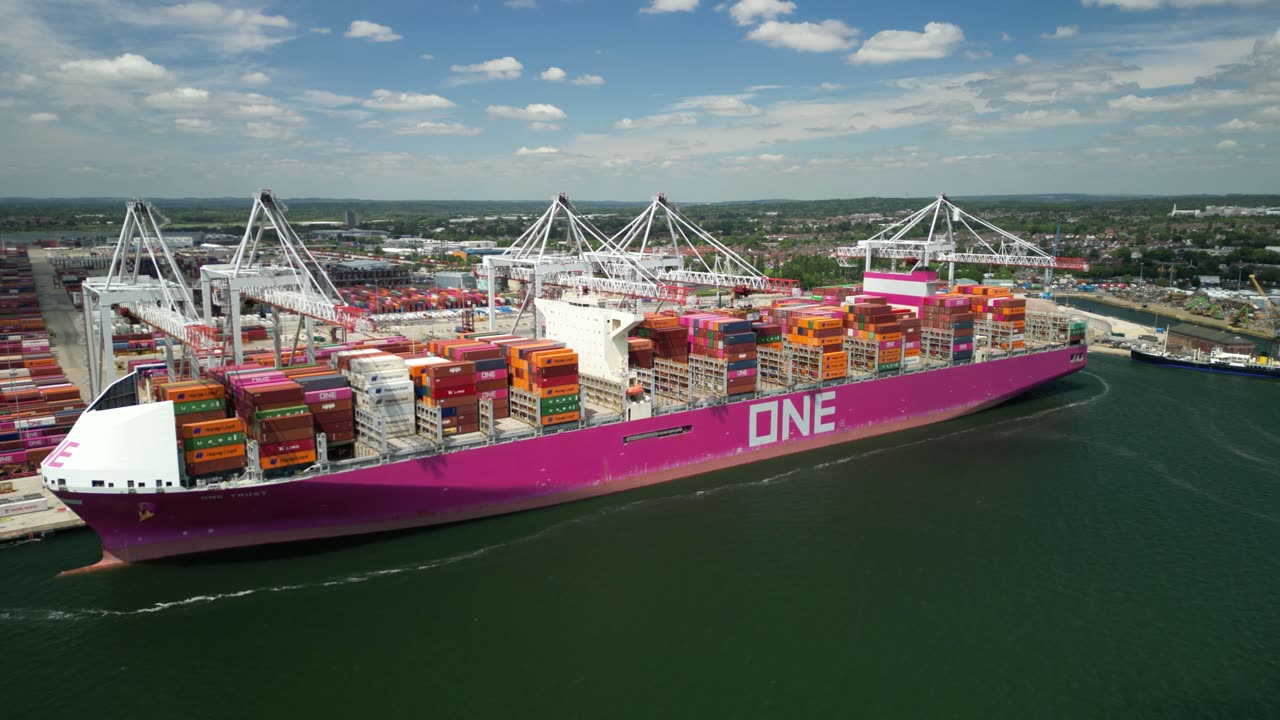
How we work
Introduce, sample, order, reorder. Nothing hidden in between.
Before anything starts
Two things happen before an introduction. We look at whether a producer can actually serve the buyer we have in mind, and we ask the buyer enough questions to be confident the requirement is real. The questions we put to a buyer are set out in full on the buyer verification page in the buyers section, and they exist to protect the producer's time rather than ours.
We also agree the commission in writing before we introduce anyone. Not after an order, not once it has worked. A disclosed agency where the disclosure comes last is not disclosed.
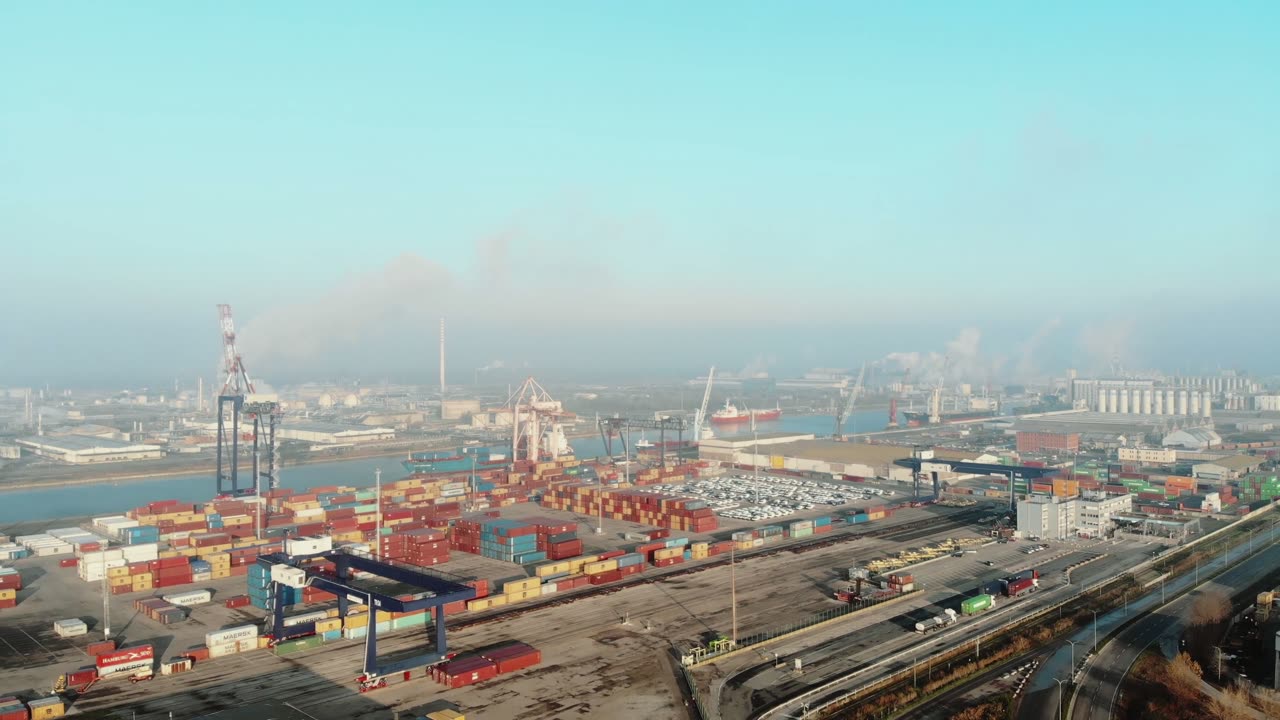
How it works
A transparent flow: introduce, sample, order, reorder.
No opacity, no lock-in. Every step keeps the producer as the seller and the buyer in a direct relationship.

Introduce
We identify a genuine fit and make a disclosed introduction between producer and buyer, on the producer's own terms.

Sample
Samples and specifications move directly between the parties so quality can be assessed first-hand.

Order
The producer and buyer agree price and terms and transact directly. The producer stays the seller of record.

Reorder
As the relationship builds, repeat orders flow directly. We stay available to keep the channel running smoothly.
Who is responsible for what
This is the part worth reading twice, because it is where a producer's exposure actually sits.
- The producer is the seller and the exporter of record. They set the price, own the specification, hold the food safety program and the certificates, issue the invoice, receive the payment, and are responsible for the quality, safety and legality of the goods.
- The buyer holds the import licence, handles clearance and any in market labelling or product registration, and pays the producer on the agreed terms.
- We find and qualify the buyer, make the disclosed introduction, keep the sample and specification stage moving, and stay reachable while the relationship establishes itself. We never take title, never hold stock, never appear on the invoice, and never set or mark up a price.
What that means in a bad outcome: if a shipment is rejected, the commercial relationship is between the producer and the buyer, and we have no authority to settle it on either party's behalf. We would help both sides get to a resolution, because a working channel is worth more to us than a single order, but we cannot bind anyone. It is also worth saying plainly that we carry no professional indemnity or public liability insurance, so no one should treat us as a party who could absorb a loss.
How long each step realistically takes
Nobody benefits from an optimistic timeline. An introduction takes days. Samples take one to three weeks to arrive and be assessed, longer if a laboratory test is involved. Specification and price agreement can run several weeks, because the importer is usually modelling a landed cost against products they already stock. Product registration and label approval, where a market requires it, is the long pole and can add months. A first order shipping inside a quarter of the first conversation would be a good outcome, and it is not the common one.
How it ends
Either side can end the arrangement in writing. Commission still applies to orders already in train from an introduction we made, which is the only clause in the whole thing that could surprise someone, so it is stated here as well as on commission and terms. After that the buyer relationship is the producer's. We do not claim a continuing interest in a customer we introduced once, and we do not ask for a tail on future orders beyond what is agreed at the start.
The wider case for working with us, including the parts that argue against it, is on the producer side of the model.
Australian producers
Up a level, and alongside
Start a conversation. No obligation.
Tell us whether you are a producer or a buyer and what you work with, and you will get a straight answer from Andrew rather than a brochure. If we are not the right fit we will say so.
Or email [email protected].